EnergyJun 20, 2026
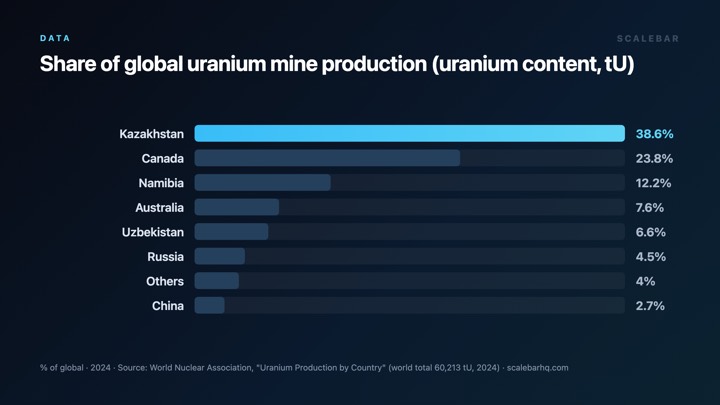
Two Countries Supply Most of the World's UraniumWhile OPEC's influence over oil dominates headlines, a far tighter duopoly controls the fuel powering the global nuclear renaissance.
Read the breakdown →The Library
Browse 76 data stories on who really controls the world's resources.
While OPEC's influence over oil dominates headlines, a far tighter duopoly controls the fuel powering the global nuclear renaissance.
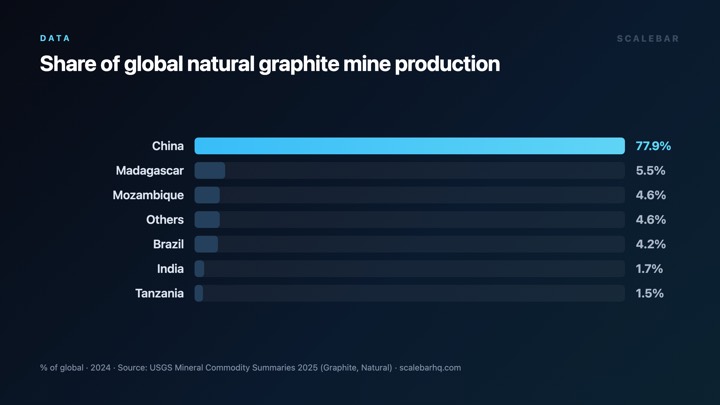
Read the breakdown →How China and Mozambique established a virtual duopoly over a mineral that makes up half of every EV battery.
Read the breakdown →Chile's Lithium Reserves and China's Battery Manufacturing Lead the Global Supply Chain
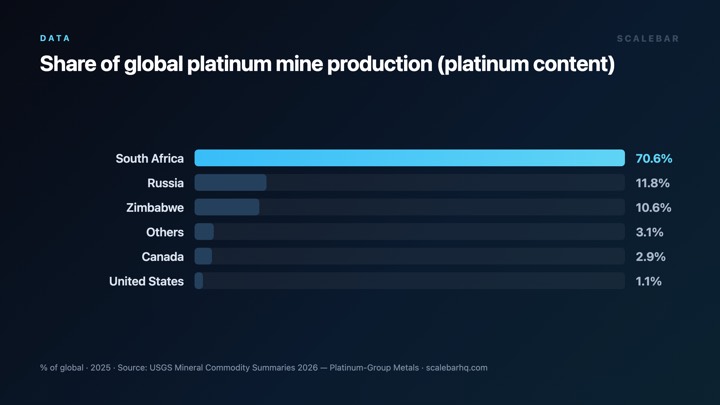
Read the breakdown →With South Africa and Russia dominating global output, the supply chain for this critical precious metal is one of the most vulnerable on Earth.
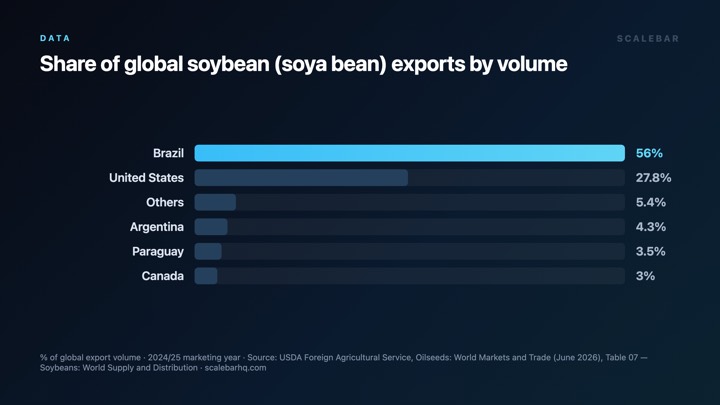
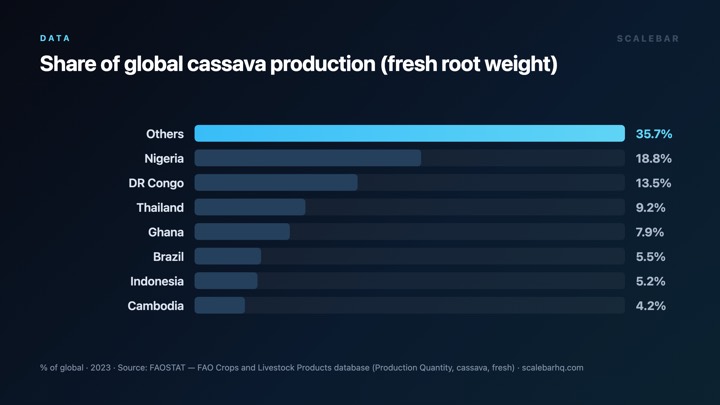
Read the breakdown →A highly concentrated global supply chain leaves the world's food and feed systems vulnerable to disruptions in just three countries.
Read the breakdown →Chile's Lithium Dominance and China’s Battery Grip
Read the breakdown →One fact-checked chart, the story behind it, and the short video. No hot takes, no daily inbox flood. Free, and staying free.
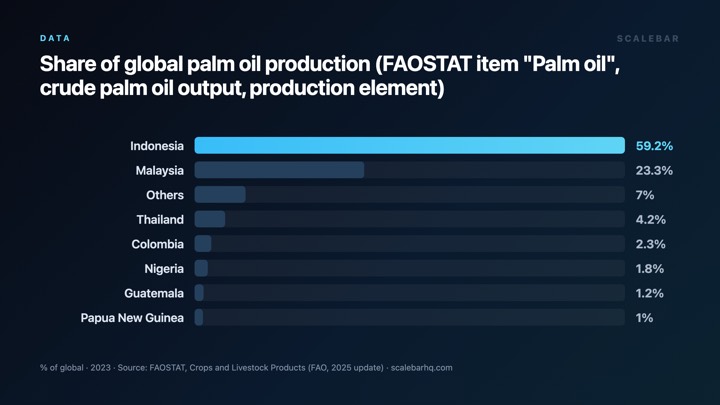
Indonesia and Malaysia control over 80% of the global palm oil supply, creating an unprecedented geopolitical concentration for a critical global commodity.
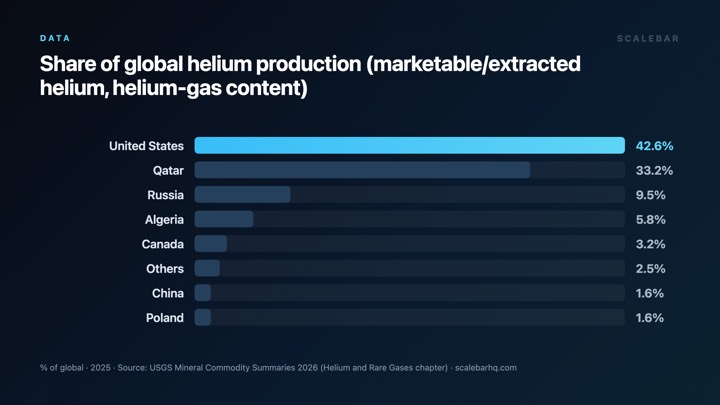
Read the breakdown →A quiet duopoly controls three-quarters of the world's helium supply, leaving high-tech industries highly vulnerable to supply shocks.
Read the breakdown →Chile's Dominance in Lithium Production and Reserves
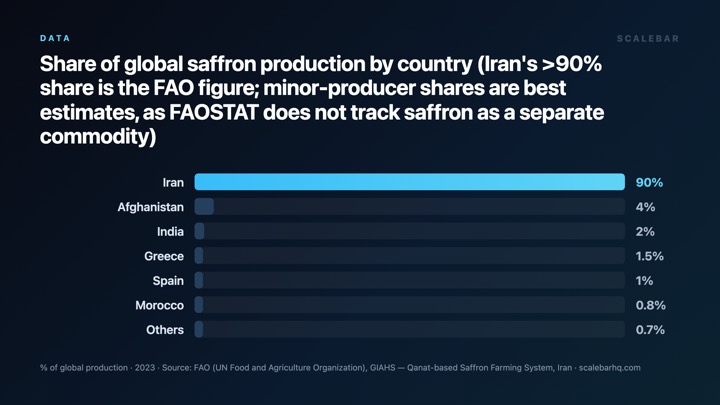
Read the breakdown →How a single region in Iran controls the global supply of the world's most expensive spice.
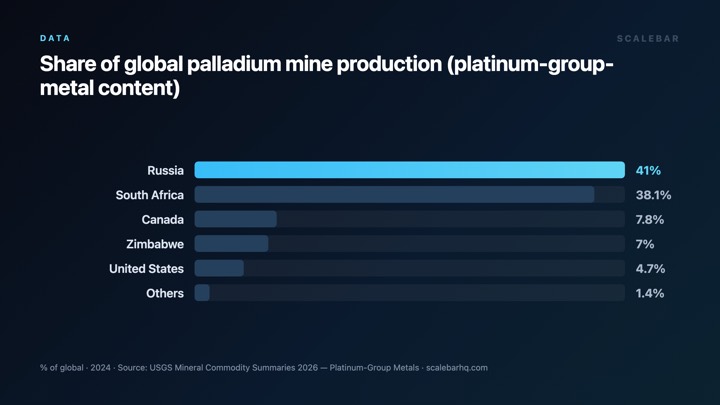
Read the breakdown →With 40 percent of global supply originating from a single Siberian complex, palladium represents one of the most concentrated critical mineral vulnerabilities on Earth.
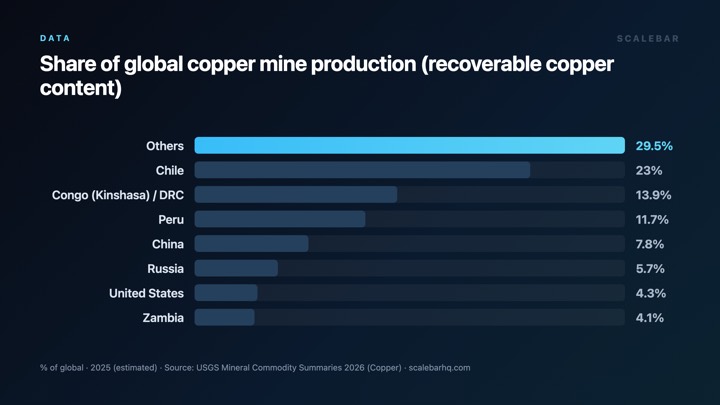
Read the breakdown →Chile's Dominance in Copper Production
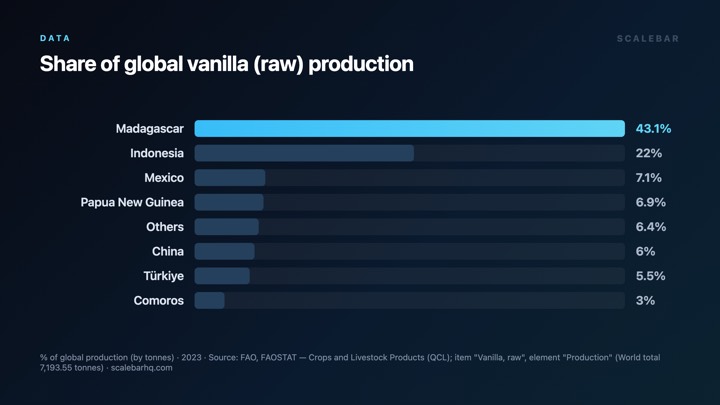
Read the breakdown →A single island nation controls the majority of the world's natural vanilla supply, leaving global markets vulnerable to extreme price shocks and climate disruptions.
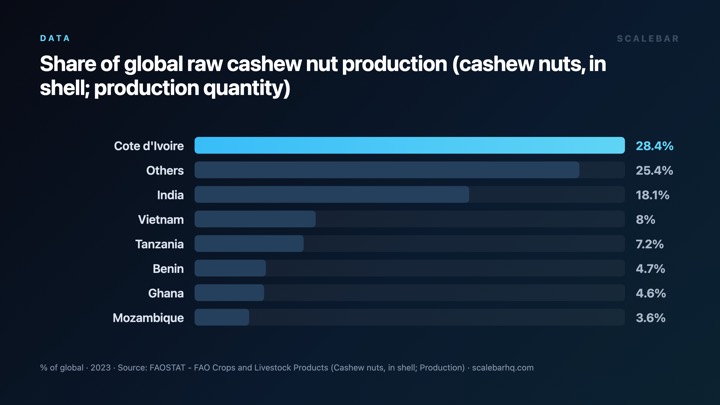
Read the breakdown →West Africa grows more than half of the world's cashews, but a lack of local processing means Asian factories capture the real profits.
Read the breakdown →Saudi Arabia's Dominance in Global Oil Production
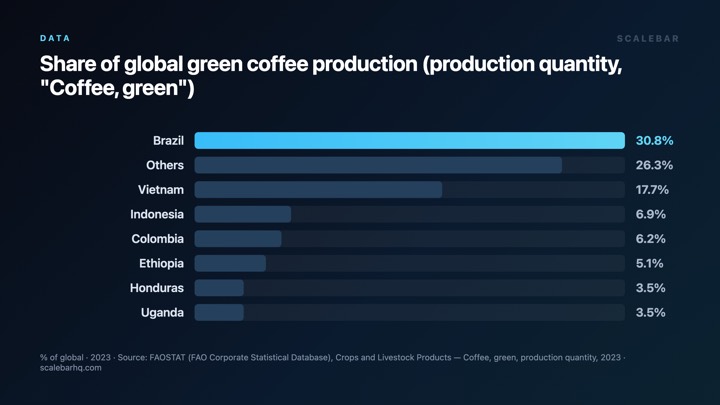
Read the breakdown →How a single nation's agricultural powerhouse dictates the cost of the world's morning routine.
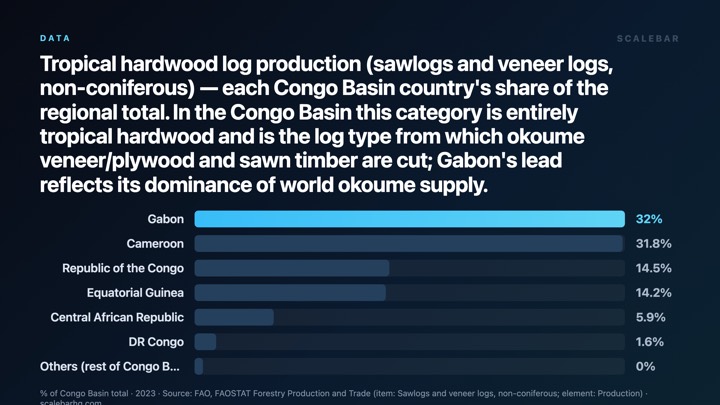
Read the breakdown →The world's second-largest tropical forest quietly anchors global carbon storage and timber markets with a fraction of the Amazon's spotlight.
Read the breakdown →Three Countries Dominating Global Lithium Production
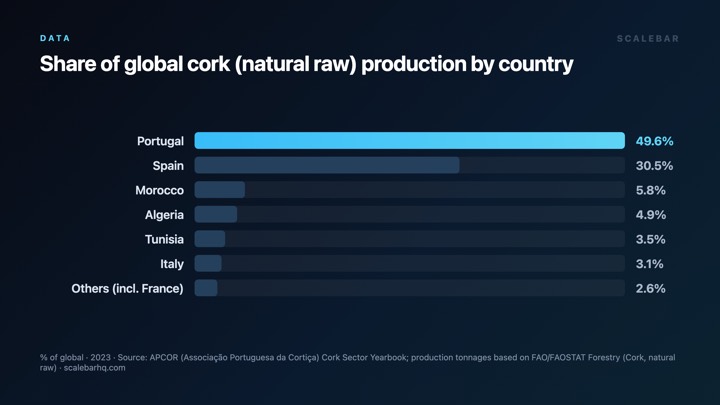
Read the breakdown →How a slow-growing tree and a 25-year harvest cycle secured Portugal's billion-euro agricultural monopoly.
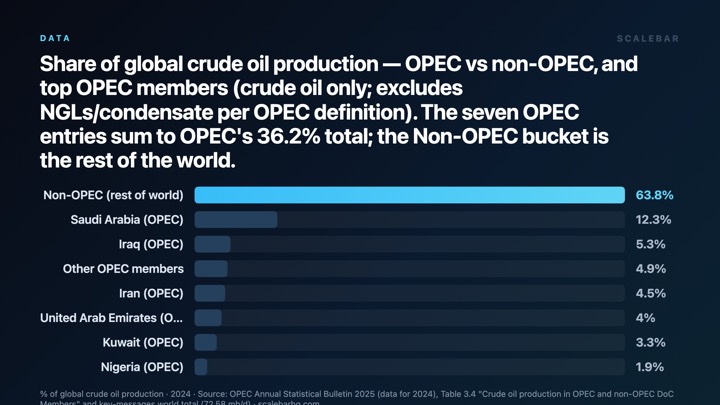
Read the breakdown →Despite the rise of North American shale, the 12-nation cartel and its allies still hold the ultimate keys to global energy markets.
Read the breakdown →China's Dominance in Global Aluminum Production and Consumption
Read the breakdown →How two Southeast Asian nations and a highly concentrated supply chain quietly underpin the global food system.
Read the breakdown →How a bilateral pipeline between the DRC and China holds the key to the global electric vehicle transition.
Read the breakdown →Chile's Dominance in Lithium Production and China’s Global Influence
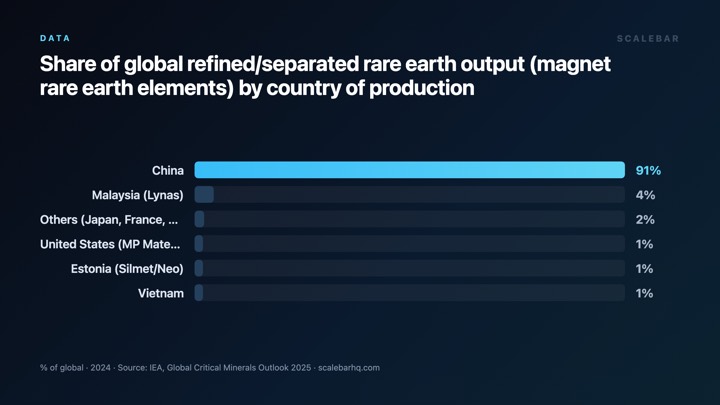
Read the breakdown →While multiple nations extract these 17 critical metals, China's near-monopoly on the refining process creates a massive global supply chain bottleneck.
Read the breakdown →The global transition to green energy relies on a copper supply chain dominated by just a few key nations.
Read the breakdown →Middle East Dominates Global Oil Production, But Who Relies on It?
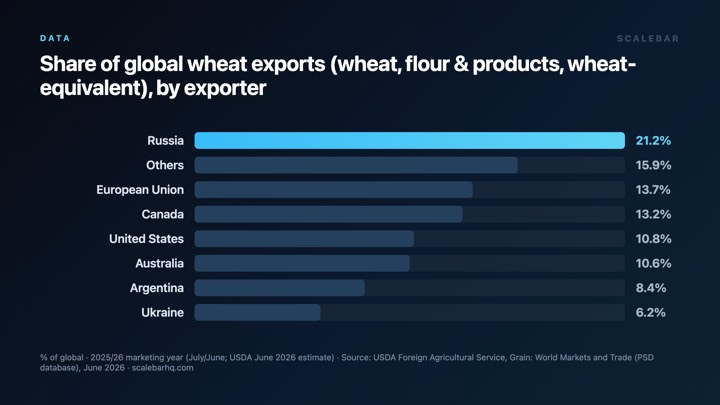
Read the breakdown →How the concentration of wheat exports in Russia and Ukraine turns Black Sea geopolitical conflicts into global food security crises.
Read the breakdown →Chile and Australia Control Most Global Lithium Production, China Dominates Imports
Read the breakdown →China's Dominance in Copper Consumption
Read the breakdown →Saudi Arabia's Dominance in Global Oil Production
Read the breakdown →Chile and Bolivia Control Most Lithium
Read the breakdown →China's Dominance in Rare Earth Mining
Read the breakdown →China's Dominance in Rare Earths
Read the breakdown →Brazil Dominates Global Soybean Exports, with China as Top Importer
Read the breakdown →Saudi Arabia's Dominance in Global Oil Production
Read the breakdown →China's Dominance in Rare Earths and the Rising Threat from Competitors
Read the breakdown →Russia's Dominance in Global Wheat Trade
Read the breakdown →Chile and Congo Control Most Lithium & Cobalt
Read the breakdown →The Lithium Triangle: Controlling More Than 75% of Global Deposits
Read the breakdown →Australia's Dominance in Lithium Production
Read the breakdown →Saudi Arabia's Dominance in Global Oil Production
Read the breakdown →China's Dominance in Graphite Production Fuels Green Energy Transition
Read the breakdown →Three Countries Control 24% of Rare Earths
Read the breakdown →Middle East's Oil Dominance Shapes Global Markets
Read the breakdown →Chile Dominates Global Copper Production
Read the breakdown →Saudi Arabia's Dominance in Global Oil Markets
Read the breakdown →Saudi Arabia's Dominance in Global Oil Production
Read the breakdown →Chile's Dominance in Copper Production and Reserves
Read the breakdown →China and Mozambique dominate the global titanium supply chain, from mining to metal production.
Read the breakdown →Côte d'Ivoire grows, Vietnam processes: The global cashew supply chain
Read the breakdown →Chile's Dominance in Lithium Exports Over Bolivia and Australia
Read the breakdown →Chile and Bolivia Control Half the World’s Lithium
Read the breakdown →South Africa and a handful of allies hold a near-total grip on chromium, the metal that makes stainless steel possible.
Read the breakdown →Canada and Russia's Dominance in Potash Supply
Read the breakdown →Russia and South Africa control the majority of global palladium supply, making their geopolitical stability crucial for automotive industries.
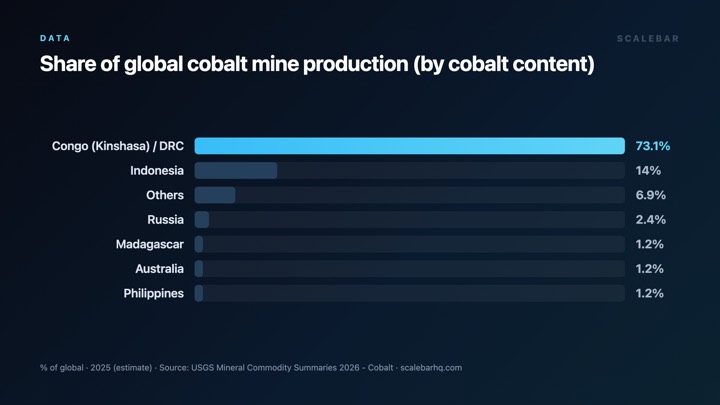
Read the breakdown →The global transition to electric vehicles relies on a fragile supply chain running directly through the Democratic Republic of the Congo.
Read the breakdown →With China and Russia controlling 85% of global output, a critical metal for steel and grid-scale batteries faces extreme supply chain concentration.
Read the breakdown →How a single conflict zone came to control nearly a third of the global grain trade, leaving vulnerable regions exposed to supply shocks.
Read the breakdown →The global supply chains for chocolate, coffee, and vanilla rely on a dangerously small number of tropical nations.
Read the breakdown →A deep dive into the extreme geographic concentration of the global cocoa supply chain and its inherent vulnerabilities.
Read the breakdown →How Australia and Guinea's control over a single critical ore shapes the global aluminum supply chain.
Read the breakdown →With no synthetic alternatives and highly concentrated reserves, a quiet duopoly holds the keys to global food security.
Read the breakdown →Sudan and Tanzania grow half the world's sesame, but their economic fortunes rest almost entirely on Chinese demand.
Read the breakdown →With China and Russia dominating global production, the West faces a decade-long struggle to secure its own supply of this irreplaceable defense and manufacturing asset.
Read the breakdown →A highly concentrated supply chain leaves the global electronics industry vulnerable to localized disruptions in just two nations.
Read the breakdown →South Africa and Gabon produce the vast majority of the world's manganese, leaving global infrastructure and the green energy transition highly vulnerable to localized supply shocks.
Read the breakdown →Chile and Peru's dominance in copper mining creates a highly concentrated supply chain for the global energy transition.
Read the breakdown →The global transition to electric vehicles is bottlenecked by a highly concentrated supply chain dominated by just two mining nations and one refining powerhouse.
Read the breakdown →A deep look into how China and the United States control the critical materials powering the green transition and modern defense.
Read the breakdown →How Australia and Chile's extraction dominance and China's refining monopoly create a fragile foundation for the electric vehicle transition.
Read the breakdown →How Europe's post-Russia energy pivot traded one concentrated dependency for a fragile global LNG market.
Read the breakdown →Indonesia and the Philippines Dominate Global Nickel Supply
Read the breakdown →Peru and Bolivia's Dominance in Quinoa Production
Read the breakdown →Ivory Coast's Dominance in Cocoa Production
Read the breakdown →